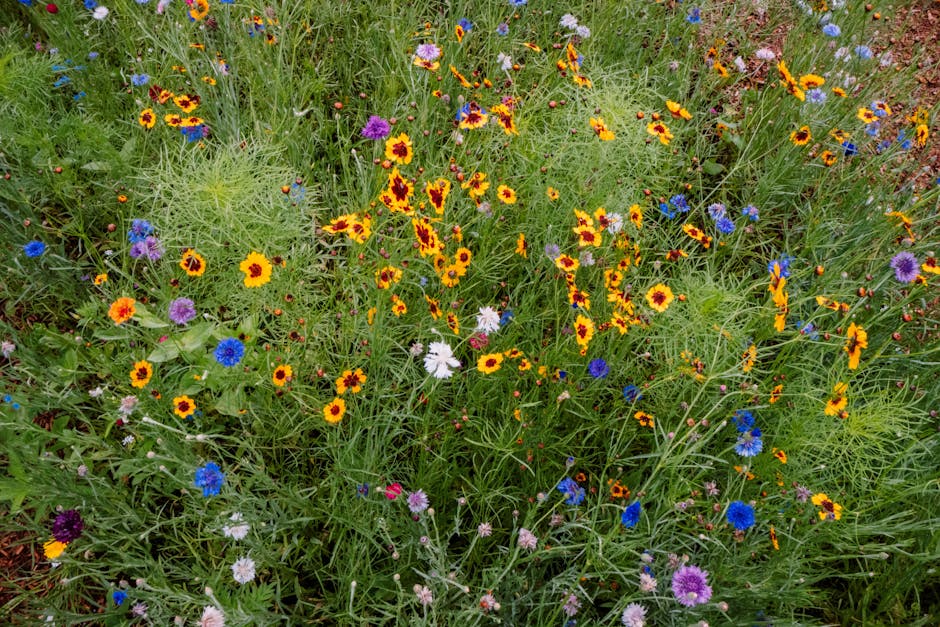
The decline of wildflower meadows across Britain makes creating one in your own garden a genuinely impactful conservation action. Cornish gardens, with their mild climate and variable soils, are ideal for establishing thriving wildflower displays that support bees, butterflies, and countless other insects.
Understanding Your Soil
Before planting, assess your soil type. Cornish soils vary considerably—some areas have acidic, peaty soils whilst others are more neutral or alkaline. This matters because different wildflowers thrive in different conditions. Acidic soils suit heathers, milkwort, and bird's-foot trefoil. Neutral soils support a broader range including cowslips, ox-eye daisies, and bird's-foot trefoil. Alkaline soils, less common in Cornwall, suit chalk-loving species like scabious and salad burnet.
Preparation and Planting
Wildflowers perform best in poor soil—rich soil encourages vigorous grasses that outcompete flowers. If your soil is very fertile, remove the top layer or add coarse sand to reduce nutrient levels. Autumn is the ideal planting season in Cornwall, allowing plants to establish during mild, wet winters. Scatter seed directly onto prepared ground in September or October, pressing seeds into contact with soil but not burying them deeply.
Cornish Wildflower Recommendations
Several native species thrive in Cornish conditions. Cornish heath, a rare endemic species found naturally only in Cornwall, is spectacular in summer. Bluebells create stunning displays in spring. Primroses, wood anemones, and early purple orchids add colour to shaded areas. In open sunny spots, try ragged robin, marsh marigold, and devil's-bit scabious. Self-heal, betony, and greater knapweed attract numerous insects.
Maintenance and Management
Once established, wildflower meadows require minimal intervention. Allow flowers to set seed before cutting—typically July or August. Cut once or twice yearly, removing cuttings to reduce soil fertility. Avoid fertilisers, pesticides, and herbicides, which damage the delicate ecosystem. Some gardeners leave sections uncut through winter, providing shelter for insects.
Supporting Pollinators
Wildflower meadows are magnets for bees, butterflies, and hoverflies. Aim for continuous flowering from spring through autumn by planting species with staggered bloom times. Avoid double flowers, which offer no nectar or pollen. Leave some bare ground for solitary bees to nest.
Creating a wildflower meadow is rewarding, educational, and genuinely beneficial for wildlife. Your Cornish garden becomes a small but meaningful contribution to nature conservation.